NEGROS OCCIDENTAL

More Than a Destination, It’s an Opportunity

Negros Occidental, the “Sugar Bowl of the Philippines, ” is fast becoming a top tourism destination. With its heritage sites, lively festivals, eco-tourism, diverse cuisine, beaches, mountains, and diving spots, the province attracts both local and foreign visitors. Bacolod City, the capital, is a major gateway to Western Visayas and a growing center for conventions, leisure, and business travel—offering strong opportunities for tourism and hospitality investments.

SECTOR SNAPCHAT

Resilience & Growth

Tourism in Negros Occidental has shown strong resilience and recovery from 2018 to 2024. Before the pandemic, visitor arrivals were high—2.39 million in 2018 and 2.24 million in 2019—reflecting the province’s attractiveness as a major destination. However, the COVID-19 pandemic caused a sharp decline, with only 408,013 visitors in 2020 and 311,577 in 2021. By 2022, the sector began to rebound, with arrivals increasing to 510,022 and further climbing to 694,015 in 2023 and 883,528 in 2024, signaling a steady return to pre-pandemic levels.

Tourism receipts mirrored this recovery, rising from ₱1.09 million in 2021 to ₱5 billion in 2022, ₱6 billion in 2023, and ₱7.9 billion in 2024. Average spending per visitor also grew substantially—from less than ₱1,100 before 2020 to ₱9,803 in 2022 and ₱8,970 in 2024—indicating higher-value tourism and greater participation in local goods and services. Expenditure data show that airfare (36%) and accommodation (24%) dominate tourist spending, followed by meals and souvenirs (13% each), transportation (8%), and recreation (6%).

Overall, these figures highlight Negros Occidental’s strong tourism recovery and growing economic potential. The rising number of visitors and increased spending reflect renewed traveler confidence, improved tourism infrastructure, and expanding opportunities for local enterprises in hospitality, food, crafts, and recreation—making tourism once again a key contributor to the province’s economic growth.

TOURISM LANDSCAPE

Culture, Nature, and Adventure

Beyond the numbers, Negros Occidental captivates with attractions that blend culture, nature, and opportunity. The annual Panaad sa Negros Festival—celebrated as the “mother of all festivals”—brings together all 13 cities, 19 municipalities, and its highly urbanized city in a vibrant showcase of unity and heritage, drawing thousands of visitors each year. Scenic drives along the eco-tourism highway reveal breathtaking mountain views, while the newly improved Mambukal Mountain Resort and Wildlife Sanctuary, with its seven waterfalls and relaxing hot springs, offers an ideal retreat. These rich experiences not only delight travelers but also open doors for investors to tap into the province’s growing demand for accommodations, eco-adventures, and tourism related services.

Key Attractions

Negros Occidental is a province rich in history, culture, and natural beauty, offering a well-rounded tourism experience. Heritage landmarks such as The Ruins in Talisay City, often called the “Taj Mahal of Negros” and the San Sebastian Cathedral in Bacolod City highlight the province’s cultural depth. Silay City, known as the “Paris of Negros” captivates visitors with its ancestral houses, the Balay Negrense Museum, and heritage delicacies, while the Negros Museum in Bacolod showcases local history, art, and the sugar industry.

Festivals are among the province’s strongest attractions. The world-famous MassKara Festival in Bacolod every October bursts with music, street dancing, and colorful masks, earning the city its title as the “City of Smiles. ” Equally vibrant is the Panaad sa Negros Festival, dubbed the “Festival of All Festivals, ” where towns and cities gather to present their culture, products, and attractions.

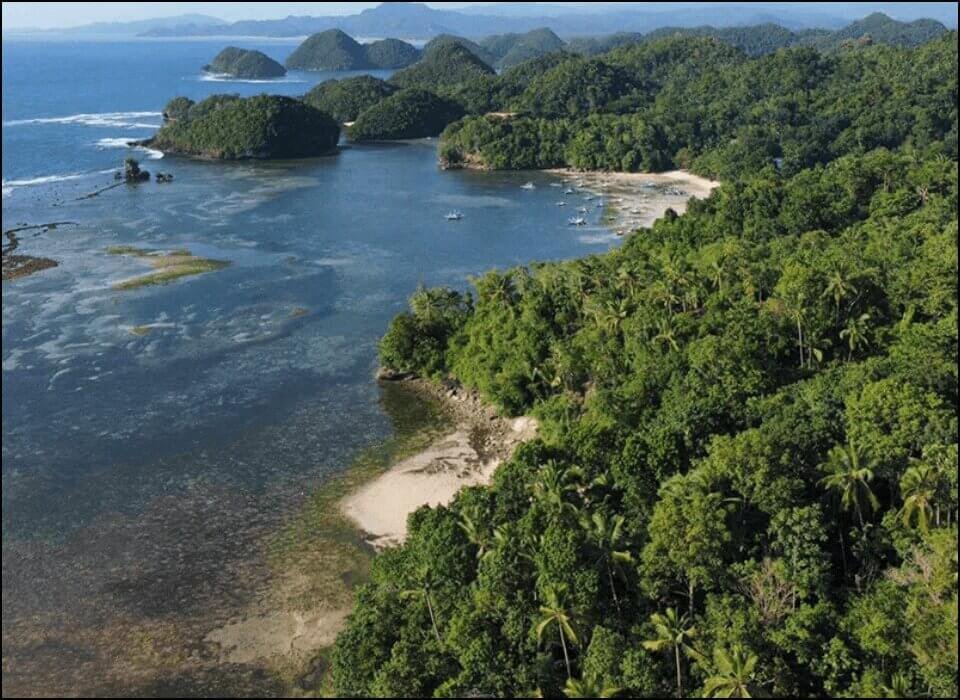
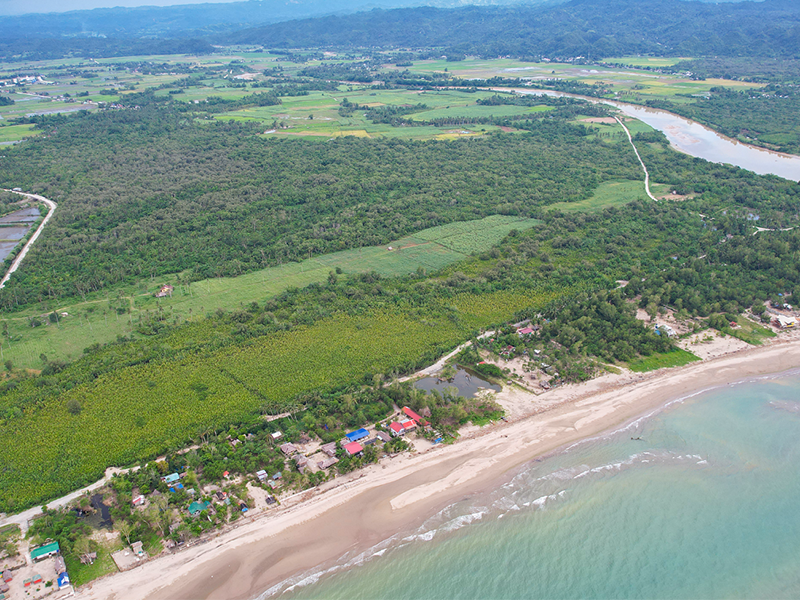
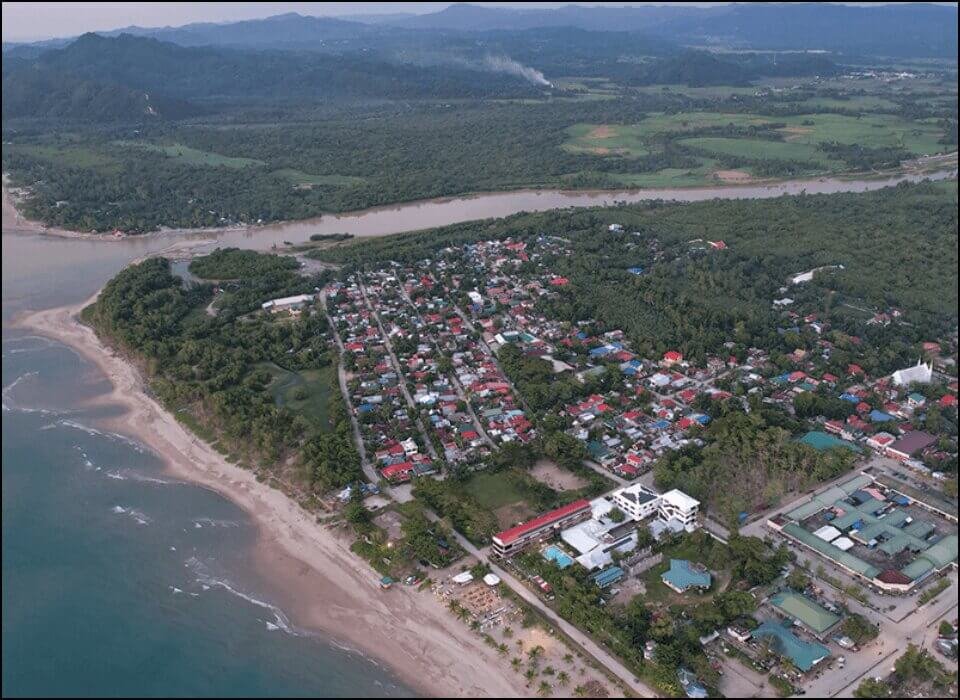
Nature and eco-tourism further enrich the province’s offerings. Mambukal Resort in Murcia features hot springs, waterfalls, and adventure trails, while the Mt. Kanlaon Natural Park attracts trekkers with its biodiversity and volcanic landscapes. The southern coast boasts Sipalay City’s pristine beaches and dive sites, including Punta Ballo Beach and Campomanes Bay, as well as Danjugan Island in Cauayan, a marine sanctuary and model for eco-tourism. To the north, Lakawon Island in Cadiz City invites visitors with its white sand and the iconic TawHai Floating Bar.

Altogether, Negros Occidental’s mix of cultural landmarks, festive traditions, eco-adventures, and culinary delights creates a dynamic tourism landscape. This diversity not only draws visitors seeking unique experiences but also offers strong opportunities for investors in hospitality, eco-tourism, transport, and cultural enterprises.

Negros Occidental offers diverse experiences that blend heritage, adventure, and eco-tourism, appealing to a wide range of travelers. Its accessibility through the Bacolod-Silay International Airport and major seaports ensures seamless travel and logistics, making the province not only a premier tourist destination but also an attractive hub for investment opportunities.

INVESTMENT ​

OPPORTUNITIES

Accommodations

Eco-lodges, mountain resorts, green-certified tourism developments.

Attractions

Development of adventure parks, heritage and preservation, and construction sites

Infrastructure

Enhancements to marina and port facilities to boost connectivity

Services

Tour operations, transport services, digital booking platforms, experiential packages.

Cost efficiency:
Lower cost of doing business compared to other major tourist hubs
in the Philippines.

Government Support:
Strong local government backing specifically for tourism investment initiatives.

Strategic Location:
Prime positioning within the Negros Island Tourism circuit, offering excellent connectivity.

Fiscal Incentives: Benefit from Tax holidays through LGUs (LIIC) and duty-free importation of capital equipment via PEZA/BOI incentives.

Partnerships: Access robust Public-Private Partnership (PPP) opportunities designed to de-risk investments.

Infrastructure Access: Direct eligibility for national tourism infrastructure programs
through TIEZA.